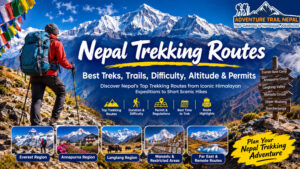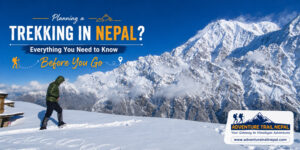
Nepal is a dream destination for trekkers from around the world. Home to eight of the world’s fourteen highest mountains, including the mighty Mount Everest (8,848.86m), Nepal offers an incredible variety of trekking experiences from gentle village walks to challenging high-altitude expeditions.
Whether you’re planning your first Himalayan adventure or returning to explore another region, proper preparation is the key to a safe, enjoyable, and unforgettable journey. From selecting the right trekking route and obtaining permits to preparing physically and packing the right gear, every detail plays an important role.
This complete trekking guide covers everything you need to know before trekking in Nepal, including the best time to visit, trekking permits, costs, guides, accommodation, altitude sickness, responsible travel, and much more.
Nepal is widely regarded as one of the world’s greatest trekking destinations. Beyond its spectacular Himalayan peaks, the country offers an extraordinary combination of natural beauty, cultural diversity, warm hospitality, and adventure.
Every trekking trail takes you through breathtaking mountain landscapes, traditional villages, ancient monasteries, lush forests, suspension bridges, and remote valleys where centuries-old traditions remain alive.
Whether you’re seeking adventure, photography, culture, wildlife, or spiritual experiences, Nepal has something for every traveler.
Choosing the right trekking season is one of the most important decisions when planning your trip. Weather conditions greatly affect mountain visibility, trail conditions, and overall trekking experience.
Spring (March – May)
Spring is one of Nepal’s most popular trekking seasons. The weather is generally warm and stable, while hillsides come alive with blooming rhododendron forests.
Highlights
Best treks:
Autumn (September – November)
Autumn is considered the best season for trekking in Nepal. Following the monsoon rains, the skies become crystal clear, offering spectacular Himalayan panoramas.
Advantages
Nearly every trekking route is ideal during autumn.
Winter (December – February)
Winter offers peaceful trekking trails and beautiful snow-covered mountain scenery. Lower elevation treks remain comfortable, while higher mountain passes may receive heavy snowfall.
Recommended treks:
Monsoon (June – August)
Although monsoon brings heavy rainfall across much of Nepal, some trekking regions remain excellent during this season.
Pros
Cons
The Upper Mustang and Upper Dolpo regions lie in the rain shadow of the Himalayas and remain excellent trekking destinations during the monsoon.
One of the most important steps in planning your Himalayan adventure is choosing a trek that matches your fitness level, trekking experience, available time, and interests. Nepal offers everything from short scenic hikes to challenging high-altitude expeditions that cross mountain passes above 5,000 meters. Some trekkers prefer famous routes like Everest Base Camp or the Annapurna Circuit, while others seek quieter trails through remote valleys and traditional villages.
Selecting the right trek will ensure a safer, more enjoyable, and rewarding experience.
Perfect for beginners, families, and travelers with limited time.
Popular options:
Suitable for trekkers with average fitness looking for a balance between adventure and comfort.
Recommended routes:
These treks involve higher elevations, longer walking days, and proper acclimatization.
Popular choices:
Designed for experienced trekkers and mountaineers.
Examples include:
Most trekking destinations in Nepal require one or more trekking permits. These permits help conserve the environment, support local communities, regulate tourism, and ensure trekkers’ safety.
The permits required depend on your trekking destination.
The Trekkers’ Information Management System (TIMS) or Trek Card is designed to record trekkers’ information for safety and emergency management. It helps authorities monitor trekking activities and locate trekkers if necessary.
Although TIMS requirements have changed for some trekking routes in recent years, it may still be required depending on your itinerary and the latest government regulations.
Most popular trekking routes pass through protected conservation areas or national parks. These permits support environmental conservation, wildlife protection, trail maintenance, and local community development.
Common permits include:
Some remote regions of Nepal are designated as restricted areas to protect their unique culture, fragile environment, and border security.
Trekkers entering these areas must obtain a Restricted Area Permit (RAP) through a registered trekking agency. Independent trekking is generally not permitted, and most restricted regions require at least two trekkers accompanied by a licensed guide.
Popular restricted trekking regions include:
Restricted Area Permit fees vary depending on the destination, season, and duration of your trek.
Permit Summary
Depending on your trekking destination, you may need one or more of the following:
A registered trekking agency can arrange all necessary permits before your trek begins.
Hiring a licensed trekking guide is highly recommended and, for many trekking routes, mandatory under current Nepal Tourism Board regulations.
A professional guide not only ensures your safety but also enriches your journey by sharing local history, culture, religion, traditions, and mountain knowledge. They also assist with navigation, accommodation, permits, transportation, communication, and emergency situations.
Benefits of Hiring a Guide
For remote regions such as Manaslu, Upper Mustang, Upper Dolpo, Nar Phu Valley, and Kanchenjunga, trekking with a licensed guide through a registered trekking company is mandatory.
Trekking in Nepal does not require professional climbing skills, but it does require a reasonable level of physical fitness.
The difficulty depends on your chosen trek. Easy treks involve several hours of walking each day, while high-altitude expeditions may require hiking for 6–8 hours daily over steep and rocky terrain.
To prepare yourself:
Good preparation will make your trek safer and far more enjoyable.
Altitude sickness is one of the most important health concerns while trekking in Nepal.
Common Symptoms
Prevention Tips
Never ignore symptoms of Acute Mountain Sickness (AMS).
Packing wisely is crucial for a successful trek.
Clothing
Footwear
Equipment
Personal Items
Most trekking routes in Nepal offer comfortable tea house accommodation.
Facilities generally include:
Luxury lodges are also available in some regions such as Everest and Annapurna.
Tea houses provide a surprisingly wide variety of meals.
Popular dishes include:
Dal Bhat is highly recommended because it is nutritious, filling, and usually comes with unlimited refills.
Travel insurance is essential when trekking in Nepal.
Your policy should cover:
Always carry both digital and printed copies of your insurance documents.
The cost of trekking depends on:
Nepal offers trekking experiences for every budget, from affordable tea house treks to luxury lodge adventures.
Protecting Nepal’s mountains is everyone’s responsibility.
Follow these responsible travel practices:
Responsible trekking helps preserve the Himalayas for future generations.
Nepal offers hundreds of trekking routes across different Himalayan regions.
Some of the most popular destinations include:
Each region offers unique landscapes, culture, and unforgettable trekking experiences.
Final Thoughts
Planning a trekking adventure in Nepal is an exciting journey in itself. From selecting the perfect trail and obtaining the required permits to preparing physically and packing the right equipment, thoughtful planning ensures a safer and more rewarding experience.
Whether you dream of reaching Everest Base Camp, exploring the Annapurna region, or discovering the remote trails of Manaslu and Upper Mustang, Nepal offers unforgettable adventures for every type of traveler.
With proper preparation, responsible travel practices, and the guidance of experienced professionals, your trek through the Himalayas will become a lifetime memory.
Start planning today—and get ready to experience the adventure of a lifetime in Nepal.
October and November offer the clearest skies and best weather. March and April are also excellent months with blooming rhododendron forests and pleasant temperatures.
Many trekking routes require a licensed guide, especially restricted areas. Even where not mandatory, hiring a guide greatly improves safety and enriches your trekking experience.
Depending on your destination, you may need a TIMS/Trek Card (where applicable), Conservation Area or National Park permits, and Restricted Area Permits (RAP) for designated regions.
Yes. Nepal offers many beginner-friendly treks such as Ghorepani Poon Hill, Australian Camp, Dhampus, and Everest View Trek.
The total cost depends on the trekking region, trip duration, accommodation, permits, transportation, and whether you hire guides and porters.
Yes. Comprehensive travel insurance covering high-altitude trekking and helicopter evacuation is strongly recommended.