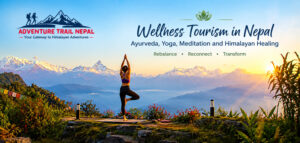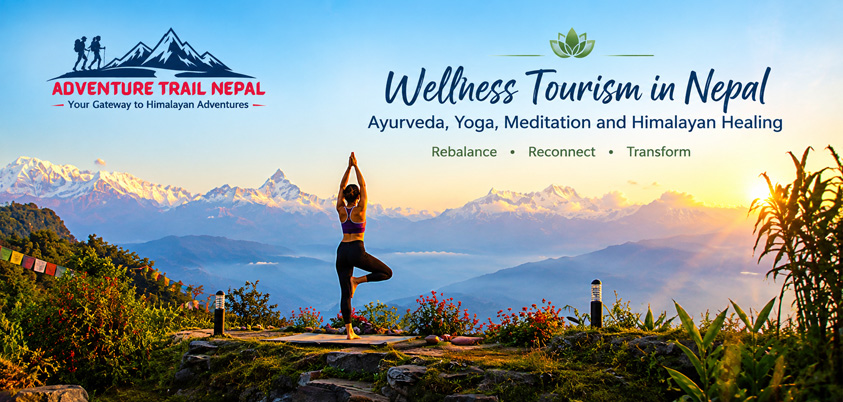
Nepal is widely known for Mount Everest, the Himalayas, trekking adventures and its rich cultural heritage. However, there is another side of Nepal that invites travellers to slow down, reconnect with nature and take time for their personal well-being. From peaceful monasteries and traditional Ayurvedic practices to yoga retreats, meditation sessions and quiet mountain villages, Nepal offers a variety of experiences for those seeking a wellness holiday.
Wellness tourism in Nepal combines traditional knowledge, spiritual heritage, natural surroundings and local ways of life. Travellers can begin their day with yoga overlooking the mountains, explore the principles of Ayurveda, meditate in a peaceful Buddhist setting, enjoy freshly prepared Nepali food or spend time walking through forests and traditional villages.
Whether you are looking for a short wellness break in Kathmandu, a yoga retreat in Pokhara, a meditation experience in Lumbini or a longer Himalayan journey, Nepal offers opportunities to create a meaningful and personal travel experience.
The appeal of wellness travel is not simply about taking a break from everyday life. It is also about discovering new perspectives, learning from local traditions and finding more time for rest, reflection and connection with the natural world.
Wellness tourism is a form of travel focused on maintaining or improving overall well-being through experiences that encourage relaxation, healthy habits, physical activity, mindfulness and personal growth.
Unlike a conventional holiday built around sightseeing and entertainment, a wellness trip gives greater importance to how you feel during your journey. You might participate in a daily yoga class, attend a guided meditation session, enjoy a traditional massage, take nature walks or learn about local food and wellness practices.
In Nepal, wellness tourism draws on several elements:
Wellness tourism is not limited to luxury resorts or expensive spa packages. It can be a simple, affordable experience involving a few days of yoga, peaceful accommodation, nutritious meals and time in nature.
Nepal offers a distinctive combination of natural landscapes, cultural heritage and living traditions. Within a relatively small country, travellers can experience historic cities, forested hills, peaceful lakes, Himalayan foothills, Buddhist monasteries and traditional villages.
Hinduism and Buddhism have shaped Nepal’s cultural landscape for centuries. Temples, monasteries, stupas and pilgrimage sites remain important places of worship, reflection and community life.
Places such as Boudhanath and Swayambhunath in the Kathmandu Valley, the sacred birthplace of Buddha in Lumbini, and monasteries in the Himalayan regions offer opportunities to learn about meditation, philosophy and spiritual traditions.
Visitors can join appropriate guided experiences, attend meditation sessions or simply observe daily religious life respectfully. These encounters can make a wellness holiday more meaningful by introducing travellers to the cultural background of the practices they experience.
The Himalayan landscape is one of Nepal’s greatest attractions for travellers seeking a quieter pace. Mountain scenery, fresh air, green hills, forests and open views create a natural setting for walking, reflection and outdoor relaxation.
Pokhara is particularly attractive for travellers who enjoy lakeside surroundings and mountain views. Hill villages around the Kathmandu Valley and the Annapurna foothills can offer a slower alternative to busy city life.
However, high-altitude destinations require careful planning. A wellness holiday does not need to involve strenuous trekking or sleeping at high elevations. Many visitors can enjoy nature-based experiences at lower altitudes.
Nepal offers opportunities to explore Ayurveda, yoga, meditation, traditional massage and selected complementary wellness practices. Some centres combine traditional approaches with modern hospitality, comfortable accommodation and guided programmes.
The quality, training and services available vary between providers, so travellers should choose a centre that clearly explains its programme, practitioner qualifications, safety standards and costs.
Wellness travel can also be a way to experience daily life beyond the usual tourist attractions. Staying in a locally owned guesthouse, enjoying a home-cooked meal, walking through a village or learning about local ingredients can help visitors appreciate the relationship between culture, food, community and well-being.
Choosing responsible local providers allows travellers to support small businesses and communities while experiencing Nepal in a more personal way.
Traditional approaches to health and well-being remain part of Nepal’s cultural heritage. Ayurveda, Himalayan herbal knowledge, Buddhist contemplative practices and community-based healing traditions have different histories, purposes and beliefs.
For visitors, learning about these traditions can provide a deeper understanding of Nepal. It is important, however, to approach them with curiosity and respect rather than assuming that every traditional practice is suitable for everyone or has proven medical benefits.
Ayurveda is a traditional system of health knowledge originating in the Indian subcontinent. It places importance on daily routines, diet, lifestyle, herbal preparations and individual approaches to maintaining balance.
Travellers interested in Ayurveda in Nepal may find consultations, traditional massages, relaxation therapies and lifestyle-oriented programmes at selected centres. The exact services depend on the provider.
A typical wellness experience might include a discussion of daily habits, advice about food and routines, and a traditional body treatment intended for relaxation. Some centres offer longer programmes, while others provide individual sessions.
Before booking an Ayurvedic treatment, ask what is included, who will provide the service, whether any oils or herbal products will be used and whether there are medical conditions or other circumstances that require extra care.
Ayurveda may be explored as a cultural and complementary wellness experience, but it should not replace evidence-based medical diagnosis or treatment. Some herbal products can cause side effects or interact with medicines, so consult a qualified healthcare professional before using them.
Nepal is home to diverse communities with their own knowledge of plants, rituals, spiritual beliefs and approaches to well-being.
In some communities, traditional healers known by names such as jhankri have historically played roles in spiritual and community life. Practices can involve chanting, drumming, ritual performance and beliefs about the relationship between people, nature and the spiritual world.
The practices differ across regions and communities. They should not be treated as one uniform healing system, and not every tradition is offered as a tourism activity.
Travellers who wish to learn about these traditions should seek genuine, respectful introductions through knowledgeable local guides or community-approved programmes. Ask permission before photographing ceremonies or participants, and respect restrictions around sacred spaces and private rituals.
These experiences are best understood as opportunities for cultural learning rather than guaranteed treatments for physical or mental health conditions.
Yoga and Meditation Retreats in Nepal
Yoga and meditation are among the best-known wellness experiences available to international visitors in Nepal. Classes and retreats range from introductory sessions lasting an hour to structured programmes spread over several days or weeks.
A retreat may include morning yoga, breathing exercises, guided meditation, vegetarian meals, periods of silence, philosophy discussions and free time for rest.
You do not need to be an experienced practitioner to participate in many introductory programmes. Beginners should look for classes that explain the level of physical activity involved and allow participants to work at their own pace.
Kathmandu is a practical place to begin a wellness holiday. The city has yoga studios, meditation centres and retreat providers, including options in and around the main tourist areas.
Visitors can combine a yoga class with cultural sightseeing, visits to historic temples and stupas, and time exploring the traditional neighbourhoods of Kathmandu and Patan.
Some centres offer drop-in classes, while others require advance booking. If you prefer a quiet retreat rather than a busy city environment, consider staying outside the central tourist district.
Meditation Around Boudhanath and Swayambhunath
Boudhanath Stupa and Swayambhunath are important Buddhist heritage sites in the Kathmandu Valley. Their religious significance and surrounding communities make them interesting places to learn about Buddhist culture and contemplative traditions.
Depending on availability, visitors may find meditation sessions, introductory teachings or programmes at nearby centres and monasteries. Participation rules vary, and not every monastery operates as a public retreat facility.
Visitors should dress respectfully, follow local instructions and avoid disturbing people engaged in prayer or religious practice.
Yoga and Meditation in Pokhara
Pokhara offers a more relaxed atmosphere for travellers who enjoy lakeside walks, mountain views and outdoor activities. Yoga classes, meditation sessions, massage services and wellness-oriented accommodation may be available in the city and surrounding areas.
A wellness stay in Pokhara can combine gentle morning exercise with time beside Phewa Lake, visits to local attractions and optional short walks in the surrounding hills.
For travellers who want both adventure and relaxation, Pokhara can be a good base for combining a short, manageable trek with rest days and wellness activities.
Meditation and Reflection in Lumbini
Lumbini, recognised as the birthplace of Siddhartha Gautama, the Buddha, is one of Nepal’s most significant spiritual destinations. The Sacred Garden, Maya Devi Temple and surrounding monastic zone offer a setting for learning about Buddhist heritage and taking time for reflection.
Visitors may find meditation programmes or suitable guided activities through local centres. Availability and participation requirements should be confirmed before travelling.
Lumbini is especially appealing to travellers interested in Buddhist philosophy, religious heritage and a quieter cultural experience.
Nature Therapy: Reconnect with the Natural World
For many visitors, wellness in Nepal does not require a formal treatment or retreat. Simply spending time outdoors can become an important part of the journey.
Nature-based experiences can include walking through forest trails, enjoying a sunrise over the hills, relaxing beside a lake, visiting a traditional village or watching the changing colours of the Himalayan landscape.
Gentle Walking in the Kathmandu Valley
The hills surrounding Kathmandu provide opportunities for short walks, village visits and scenic viewpoints. Depending on the chosen route, travellers can explore green landscapes and local communities without committing to a multi-day trek.
A local guide can help select a walk suited to your fitness, available time and interests.
Lakeside Relaxation in Pokhara
Pokhara is well suited to a slower travel schedule. Visitors can enjoy gentle walks around the lakeside area, spend time in cafés, admire the Annapurna range when weather permits and participate in yoga or relaxation sessions.
A peaceful morning beside Phewa Lake can be a welcome contrast to a busy sightseeing itinerary.
Forests, Gardens and Mountain Villages
Travellers can also include botanical gardens, forest walks and lower-altitude village stays in a wellness itinerary. These experiences offer time away from traffic, screens and packed schedules.
Walking should always be planned according to weather, trail conditions and individual ability. The Himalayas are beautiful, but mountain environments can be demanding, and altitude should never be treated as a wellness treatment in itself.
Healthy Food and Organic Living in Nepal
Food is another enjoyable way to explore Nepal’s approach to everyday living. Nepali cuisine includes grains, lentils, vegetables, seasonal produce, fermented foods, dairy products and a variety of herbs and spices.
A traditional meal of dal bhat typically combines rice, lentil soup, vegetable dishes and, depending on the household or restaurant, pickles and other accompaniments. It can be a satisfying meal during a wellness holiday, especially when prepared with fresh ingredients and balanced to suit individual dietary needs.
Travellers may also encounter:
Food availability varies by destination, and travellers with allergies or specific dietary requirements should communicate them clearly to their accommodation and restaurants.
In rural Nepal, some farms and community businesses grow vegetables and other crops using traditional or lower-input farming practices. Travellers may be able to visit farms, learn about seasonal produce or enjoy meals prepared with locally sourced ingredients.
However, not every farm or restaurant is certified organic. If organic production is important to you, ask the provider about its growing methods and sourcing rather than assuming that all local food is organic.
Choosing seasonal produce and locally owned restaurants can be a practical way to support local livelihoods and discover regional flavours.
Wellness tourism in Nepal also includes spa services, traditional massages and relaxation treatments offered by selected hotels, wellness centres and independent providers.
Depending on the establishment, services may include oil massage, body treatments, steam facilities and other forms of personal care. Some providers incorporate traditional techniques, while others follow contemporary spa practices.
Before booking, check the duration, price, ingredients used and qualifications of the practitioner. Inform the provider about any allergies, injuries, pregnancy or medical concerns that could affect the suitability of a treatment.
Treat these services as options for comfort and relaxation rather than cures for illness. Choose a professional provider with clear hygiene standards and transparent information.
A wellness holiday does not have to involve a dramatic personal transformation. Often, its value lies in making time for experiences that are difficult to fit into everyday routines.
You may discover the pleasure of beginning the day quietly, learn a simple meditation technique, become more interested in traditional food, spend more time walking outdoors or gain a better understanding of a culture different from your own.
Nepal can provide a setting for these experiences through its landscapes, hospitality, spiritual heritage and range of wellness activities.
The most rewarding journey is one that matches your own needs. Some travellers prefer a structured retreat with daily classes and a fixed schedule. Others want a flexible holiday that combines cultural sightseeing, nature, healthy meals and occasional wellness sessions.
There is no single way to experience wellness in Nepal. You can keep your programme simple or build a longer journey around yoga, meditation, cultural discovery and time in the Himalayas.
Here are five destinations to consider when planning a wellness holiday.
Kathmandu Valley: Culture, Yoga and Ayurveda
Best for travellers who want to combine yoga classes, meditation, traditional wellness services and cultural sightseeing. Kathmandu, Patan and the surrounding valley provide a practical starting point for a short wellness break.
Pokhara: Lakeside Relaxation and Mountain Views
Best for visitors seeking a relaxed atmosphere, yoga sessions, nature walks and scenic Himalayan surroundings. It also works well as a base for combining wellness activities with gentle outdoor adventures.
Lumbini: Buddhist Heritage and Reflection
Best for travellers interested in Buddhist history, sacred sites, meditation and a quieter cultural journey.
Nagarkot: Hillside Retreats and Sunrise Views
Best for visitors looking for a short escape from Kathmandu, with scenic hill surroundings, sunrise views when weather permits and opportunities for gentle walks.
Annapurna Foothills: Nature and Village Experiences
Best for travellers who enjoy mountain scenery, local hospitality and walking. A wellness-focused itinerary can include lower-altitude village stays and carefully selected day walks rather than a demanding high-altitude trek.
Accommodation, wellness services and retreat availability differ by destination. Confirm the facilities, programme details and travel arrangements before making a booking.
Nepal can be visited throughout the year for many wellness activities, but the most suitable season depends on your destination and the experiences you want.
Spring (March to May): A popular season for exploring the hills, enjoying outdoor activities and travelling through many parts of Nepal. Temperatures and conditions vary with altitude.
Autumn (September to November): Often a good period for cultural sightseeing, hill walks and mountain views, although weather and visibility are never guaranteed.
Winter (December to February): Suitable for many lower-altitude destinations, city-based yoga programmes and cultural tours. Higher elevations can be very cold, so choose accommodation and activities carefully.
Monsoon (June to August): Lush landscapes and quieter travel periods can appeal to some visitors. However, heavy rain, landslides, leeches on some trails and transport disruption may affect outdoor plans.
For a wellness retreat, the quality of the centre and the suitability of the programme may matter more than the season alone.
A little preparation can help you make the most of your stay.
Choose the Right Type of Experience
Decide whether you want a yoga retreat, meditation programme, Ayurvedic experience, nature-focused holiday or a combination of activities. Check the daily schedule and level of commitment before booking.
Select Suitable Accommodation
Wellness accommodation ranges from simple guesthouses and retreat centres to comfortable hotels and luxury resorts. Consider location, noise levels, meal options, access to classes and transport arrangements.
Check Qualifications and Treatment Details
Ask about the training and experience of yoga instructors, meditation teachers, massage practitioners and Ayurvedic professionals. Make sure any health-related service is clearly explained, and consult a qualified medical professional if you have health concerns.
Allow Enough Time to Rest
Avoid filling every day with sightseeing and travel. A slower schedule makes it easier to enjoy classes, explore local culture and have time for yourself.
Prepare for Local Conditions
Pack comfortable clothing for yoga and walking, suitable layers for changing temperatures, sun protection and any personal medication you require. For outdoor activities, check weather forecasts and local travel advice.
Respect Local Culture
Dress appropriately at religious sites, ask permission before photographing people, follow monastery rules and be considerate during ceremonies. If joining a retreat, learn about its expectations concerning silence, clothing, meals and participation.
Arrange Travel and Transfers in Advance
International visitors should confirm their entry requirements, accommodation and transport arrangements before departure. If your itinerary includes several destinations, a local tour operator can help coordinate transfers, guides, accommodation and wellness activities.
Responsible and Sustainable Wellness Tourism
Wellness tourism can create positive connections between visitors and local communities when it is organised responsibly.
Consider choosing locally owned accommodation, qualified instructors, transparent wellness providers and restaurants that source ingredients locally where possible. Follow local guidance at sacred sites, reduce single-use plastic, conserve water and avoid activities that exploit people, animals or cultural traditions.
It is equally important to respect the limits of traditional wellness practices. Avoid providers who promise guaranteed cures, encourage you to stop prescribed medication or pressure you into purchasing expensive treatments or herbal products.
Responsible wellness travel is about more than personal relaxation. It also means respecting the people, traditions and environments that make the experience possible.
Is Nepal a good destination for wellness tourism?
Yes. Nepal offers yoga and meditation programmes, Ayurvedic services, cultural and spiritual experiences, nature-based activities and a variety of accommodation options. The right choice depends on your interests, budget and preferred travel style.
Where can I experience yoga and meditation in Nepal?
Kathmandu, Pokhara and Lumbini are useful places to begin. You may also find suitable programmes in other destinations. Check current availability and the experience of the provider before booking.
Can beginners join a yoga retreat in Nepal?
Many programmes welcome beginners, but the level of difficulty varies. Look for introductory classes or retreats that clearly describe the schedule, physical requirements and teaching approach.
How many days should I spend on a wellness holiday in Nepal?
A short stay of three to five days can introduce you to yoga, meditation, cultural sightseeing and relaxation. A week or longer allows more time for a structured retreat or a combination of destinations. These are planning suggestions rather than fixed requirements.
Is Ayurveda available in Nepal?
Yes. Selected centres offer Ayurvedic consultations, treatments and lifestyle-oriented programmes. Services and practitioner qualifications vary, so research the provider and seek qualified medical advice for health-related concerns.
Can I combine wellness activities with trekking and sightseeing?
Yes. You can combine wellness sessions with cultural tours, gentle walks, lakeside stays and selected trekking routes. If you plan to trek at altitude, prioritise appropriate acclimatisation, fitness, weather and safety rather than treating the trek as a therapeutic activity.
Is wellness tourism in Nepal suitable for older travellers?
It can be, depending on the activities, accommodation and individual needs. Gentle yoga, cultural sightseeing, short walks and relaxation sessions may be suitable options. Travellers with mobility limitations or health concerns should discuss their requirements with providers before booking.
Is Nepal suitable for a vegetarian or vegan wellness holiday?
Vegetarian meals are widely available in many tourist areas, and vegan options can often be arranged. Availability may be more limited in remote locations, so communicate dietary requirements in advance, particularly if your itinerary includes trekking or rural stays.
A journey to Nepal can be an opportunity to discover more than mountains and monuments. Through yoga, meditation, traditional wellness practices, local food and time in nature, visitors can explore a quieter and more personal side of the country.
Whether you prefer a few peaceful days in Pokhara, a cultural and wellness stay in Kathmandu, a reflective visit to Lumbini or a longer journey through the Himalayan foothills, Nepal offers many ways to create an experience that suits your interests.
At Adventure Trail Nepal, we can help you plan a personalised Nepal holiday that combines cultural sightseeing, nature, local experiences and selected wellness activities according to your preferences, schedule and budget.
Contact our team to discuss a tailor-made wellness journey in Nepal and discover the country at your own pace.