Pokhara International Flights, Digital Mountaineering Permits, and Wellness Tourism Strategy
The Government of Nepal has unveiled a series of significant achievements in the tourism and civil aviation sectors during its first 100 days in office under Prime Minister Balendra Shah’s administration. The progress includes the approval of regular international commercial flights from Pokhara International Airport, the digital transformation of mountaineering permit services, the launch of a National Wellness Tourism Strategy, and the identification of new trekking destinations to strengthen Nepal’s tourism industry.
The achievements were announced by Government Spokesperson and Minister for Education and Sports, Sasmit Pokhrel, during a press conference held on Saturday. The initiatives form part of the government’s 100-point governance reform agenda, which has been implemented since assuming office on Chaitra 13.
Pokhara International Airport to Launch Regular International Flights
One of the most significant developments is the approval of flydubai’s Summer and Winter flight schedules for Pokhara International Airport. Beginning in September 2026, the airline will operate regular direct flights between Pokhara and Dubai, marking the airport’s first scheduled international commercial service.
Since its inauguration in January 2023, Pokhara International Airport has faced challenges in attracting regular international airlines despite being Nepal’s third international gateway. The new Pokhara – Dubai route is expected to improve global accessibility and significantly boost tourism to Nepal’s popular lake city.
Through flydubai’s codeshare partnership with Emirates, travelers departing from Pokhara will gain convenient access to more than 300 destinations worldwide, strengthening Nepal’s international air connectivity and creating new opportunities for inbound tourism.
Aviation Services Become More Digital
The government also announced major progress in the digitalization of Nepal’s aviation sector.
According to the Ministry, all domestic and international airlines operating in Nepal have now implemented online ticket booking systems, making the ticket purchasing process more transparent, efficient, and accessible for travelers across the country.
The digital transformation is expected to simplify travel planning, improve customer convenience, and modernize Nepal’s aviation services.
Mountaineering Permit Services Go Digital
Nepal has also begun digitizing its mountaineering permit system to improve efficiency and service delivery for climbers and expedition operators.
The new digital platform will gradually manage:
The initiative is expected to reduce paperwork, improve transparency, shorten processing times, and provide a more convenient experience for international mountaineers and trekking agencies.
The government also noted that hotels, casinos, and many tourism-related businesses are increasingly adopting digital service platforms, supporting Nepal’s broader digital transformation strategy.
Nepal Launches National Wellness Tourism Strategy (2026–2035)
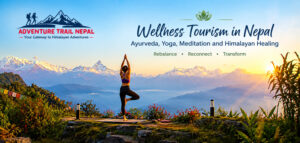
Recognizing the growing global demand for wellness travel, Nepal has officially introduced its National Wellness Tourism Strategy 2026–2035, accompanied by an implementation action plan for 2026–2030.
The strategy aims to position Nepal as a leading wellness tourism destination by leveraging its natural landscapes, Himalayan environment, yoga and meditation traditions, Ayurveda, and spiritual heritage.
Key objectives include:
The strategy was also presented internationally during activities associated with World Health Day, highlighting Nepal’s commitment to developing wellness tourism as a major pillar of the country’s tourism economy.
Tourism Training Institutes Merged
The government has consolidated two leading tourism education institutions:
The merger creates a unified organization responsible for tourism education, hospitality training, mountain skills development, and professional capacity building.
Officials believe the unified institution will strengthen Nepal’s tourism workforce by improving training standards and producing more skilled professionals for the industry.
New Trekking Destinations Identified for Future Tourism Development
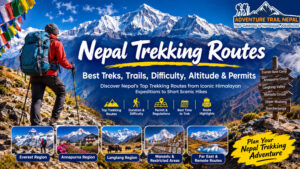
As part of its long-term tourism diversification strategy, the government has completed feasibility studies for several emerging trekking and tourism destinations beyond the country’s traditional Everest and Annapurna regions.
The proposed destinations include:
These studies are expected to support future infrastructure development, promote regional tourism, create employment opportunities, and distribute tourism benefits more evenly across Nepal.
Improved Air Connectivity for Karnali and Sudurpashchim
To improve transportation access in Nepal’s remote western provinces, the government has expanded regional air services.
Additional flights have been introduced from:
These services improve connectivity with Lumbini and other important destinations, making travel more convenient for both residents and tourists.
To complement the enhanced air services, two electric buses have also been introduced to strengthen local ground transportation in the region.
Ramjankali Temple Declared a Protected Monument Zone
In another heritage conservation initiative, the government has officially declared the Ramjankali Temple area a protected monument zone.
Boundary demarcation work is currently in its final phase, reflecting Nepal’s continued efforts to preserve important religious and cultural heritage sites for future generations.
What These Achievements Mean for Nepal Tourism
The government’s first 100-day achievements demonstrate a strong focus on improving tourism infrastructure, enhancing digital services, expanding international air connectivity, promoting sustainable tourism, and developing new travel destinations across the country.
Key initiatives such as regular international flights from Pokhara, digital mountaineering permit services, wellness tourism development, and investment in emerging trekking regions have the potential to strengthen Nepal’s competitiveness in the global tourism market.
If successfully implemented, these reforms could improve visitor experiences, attract higher-value travelers, encourage investment, and contribute to more balanced tourism development across Nepal.
Looking Ahead
With regular international flights scheduled to begin from Pokhara in September 2026 and several tourism modernization initiatives already underway, Nepal is entering an important phase in the evolution of its tourism industry.
As the country continues to invest in connectivity, digital innovation, wellness tourism, heritage conservation, and new trekking destinations, travelers can expect improved services and more diverse experiences in the years ahead.
Adventure Trail Nepal will continue to monitor these developments and keep travelers informed about the latest tourism news, travel updates, and adventure opportunities across Nepal.