Nepal is much more than the land of Mount Everest. While the Himalayan peaks attract trekkers from around the world, the country’s true soul lies within its rich cultural heritage, centuries-old traditions, sacred temples, colorful festivals, and welcoming communities. Every journey through Nepal offers an opportunity to experience living history where ancient customs continue to thrive alongside modern life.
From the medieval cities of the Kathmandu Valley to the birthplace of Lord Buddha in Lumbini, Nepal presents travelers with extraordinary cultural and heritage experiences unlike anywhere else in the world. Whether you are interested in architecture, spirituality, local cuisine, traditional arts, or authentic village life, Nepal offers unforgettable encounters that enrich every visit.
Why Nepal is a Unique Cultural Destination
Nepal is home to more than 125 ethnic groups speaking over 120 languages. Each community preserves its own traditions, festivals, architecture, music, clothing, and cuisine.
The country is also where Hinduism and Buddhism have coexisted peacefully for centuries, creating a fascinating blend of religious harmony visible in temples, monasteries, shrines, and daily rituals.
Visitors can experience:
Nepal is home to 10 UNESCO World Heritage Sites, including eight cultural and two natural sites. These landmarks showcase the country’s rich history, religious diversity, ancient architecture, and breathtaking natural beauty. Visiting these heritage sites is one of the best ways to experience Nepal’s unique culture and traditions.
Kathmandu Durbar Square
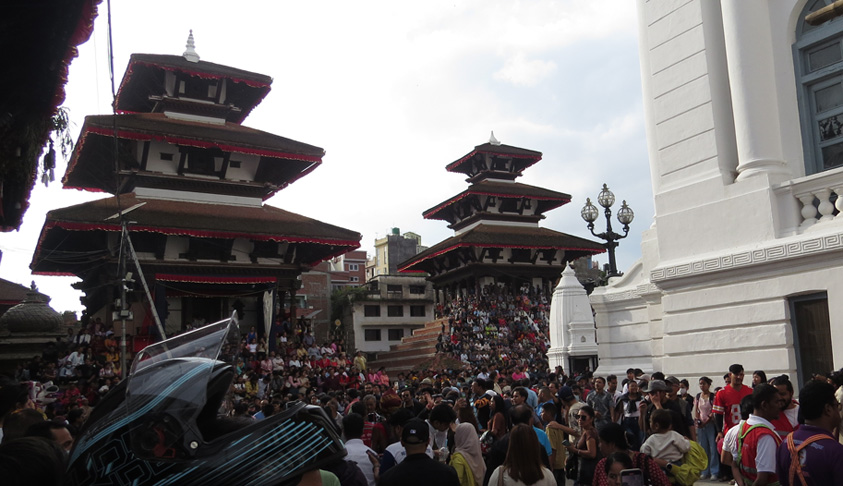
Located in the heart of Kathmandu, Kathmandu Durbar Square was once the royal palace of the Malla and Shah kings. This UNESCO World Heritage Site is renowned for its beautifully carved temples, historic courtyards, and traditional Newari architecture. Visitors can explore Hanuman Dhoka Palace, Kumari Ghar (the residence of the Living Goddess), Taleju Temple, and several museums that reflect Nepal’s royal history.
Patan Durbar Square
Situated in Lalitpur, Patan Durbar Square is celebrated as the “City of Fine Arts” due to its remarkable stone carvings, bronze statues, and exquisite temples. The square is home to the famous Krishna Temple, the award-winning Patan Museum, the Golden Temple, and numerous artisan workshops where traditional metalcraft continues to flourish.
Bhaktapur Durbar Square
Bhaktapur is one of Nepal’s best-preserved medieval cities, offering visitors a journey back in time. Its narrow brick streets, centuries-old temples, and vibrant local culture make it a favorite destination for heritage lovers. Highlights include the magnificent Nyatapola Temple, the 55-Window Palace, Pottery Square, and the opportunity to taste the famous Juju Dhau (King Curd).
Boudhanath Stupa
One of the largest Buddhist stupas in the world, Boudhanath is a major pilgrimage center for Tibetan Buddhists. The peaceful atmosphere, colorful prayer flags, spinning prayer wheels, and surrounding monasteries create a deeply spiritual experience. Visitors can also enjoy authentic Tibetan cuisine and browse local handicraft shops.
Swayambhunath Stupa (Monkey Temple)
Perched atop a hill overlooking Kathmandu Valley, Swayambhunath is one of Nepal’s oldest and most sacred religious sites. Revered by both Buddhists and Hindus, the stupa offers stunning panoramic views of the city, ancient shrines, prayer wheels, and a lively population of monkeys that have earned it the nickname “Monkey Temple.”
Pashupatinath Temple
Pashupatinath is Nepal’s holiest Hindu temple and one of the most important shrines dedicated to Lord Shiva. Located along the sacred Bagmati River, the temple complex is famous for its impressive pagoda architecture, evening Aarati ceremonies, traditional cremation ghats, and spiritual atmosphere that attracts pilgrims from around the world.
Lumbini – Birthplace of Lord Buddha
Lumbini is one of the world’s most important Buddhist pilgrimage sites and the birthplace of Siddhartha Gautama (Lord Buddha). The sacred site features the Maya Devi Temple, Ashoka Pillar, Sacred Garden, World Peace Pagoda, and monasteries built by Buddhist communities from different countries, offering a peaceful environment for meditation and reflection.
Changu Narayan Temple
Perched on a hilltop east of Kathmandu, Changu Narayan Temple is Nepal’s oldest Hindu temple and a UNESCO World Heritage Site dedicated to Lord Vishnu. Dating back over 1,500 years, it is renowned for its intricate stone carvings, ancient inscriptions, traditional pagoda architecture, and panoramic views of the Kathmandu Valley.
Bungamati
Bungamati is a traditional Newari village located just south of Kathmandu, famous for its rich cultural heritage, woodcarving craftsmanship, and centuries-old traditions. The peaceful village offers visitors an authentic glimpse into rural Newari life and architecture.
Khokana
Located near Bungamati, Khokana is a charming heritage village best known for its traditional mustard oil production and well-preserved Newari culture. Its narrow streets, historic temples, and authentic village atmosphere make it a fascinating cultural destination.
Bandipur
Bandipur is a beautifully preserved hilltop town between Kathmandu and Pokhara, known for its traditional Newari architecture, stunning mountain scenery, and relaxed atmosphere. It is an ideal destination for travelers seeking culture, history, and nature in one place.
Gorkha
Gorkha is the historic birthplace of King Prithvi Narayan Shah, the founder of modern Nepal. The town is famous for its hilltop palace, ancient temples, and spectacular Himalayan views, offering visitors a journey through Nepal’s royal history.
Janakpur
Janakpur is one of Nepal’s most sacred pilgrimage destinations and the legendary birthplace of Goddess Sita. Rich in Hindu mythology and Mithila culture, the city is known for its magnificent temples, colorful festivals, and vibrant traditional art.
Tansen (Palpa)
Tansen, located in the Palpa district, is a historic hill town celebrated for its Newari architecture, rich trading heritage, and traditional handicrafts. The town offers scenic mountain views and a peaceful cultural experience away from the crowds.
Related Tours: Nepal Cultural & Sightseeing Tours | Combined Tour Packages
Beyond Nepal’s famous heritage monuments, traditional villages offer visitors an authentic glimpse into the country’s diverse cultures and lifestyles. Places like Bandipur, Ghandruk, Ghalegaun, Sirubari, Bungamati, Khokana, and Tansen preserve centuries-old traditions, architecture, and local customs. Travelers can enjoy homestays, taste traditional cuisine, participate in farming activities, experience folk dances, and learn about the daily lives of Nepal’s indigenous communities.
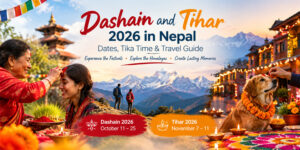
Festivals are an integral part of Nepalese culture and provide unforgettable experiences for visitors throughout the year. Dashain, Nepal’s largest Hindu festival, celebrates the triumph of good over evil with family gatherings and religious ceremonies. Tihar, known as the Festival of Lights, honors humans, animals, and nature with colorful decorations and oil lamps. Indra Jatra fills Kathmandu with vibrant chariot processions, masked dances, and the appearance of the Living Goddess Kumari. Holi, the Festival of Colors, brings joyful celebrations across the country, while Buddha Jayanti commemorates the birth, enlightenment, and passing of Lord Buddha with peaceful ceremonies and prayers.
Nepal has a long tradition of craftsmanship that has been passed down through generations. Skilled artisans produce beautiful Thangka paintings, bronze and copper statues, intricate wood carvings, handmade paper, singing bowls, Pashmina products, pottery, and traditional jewelry. Visiting local workshops allows travelers to observe these ancient techniques while supporting local communities and preserving Nepal’s artistic heritage.
Nepal’s cuisine reflects the country’s cultural diversity and regional traditions. The national dish, Dal Bhat, is served daily in homes across Nepal, while Momo (dumplings) are a favorite among locals and visitors alike. Other popular specialties include Newari Khaja Set, Sel Roti, Yomari, Chatamari, Gundruk, and Dhido. Many cultural tours also offer cooking classes, giving visitors the opportunity to learn traditional Nepalese recipes firsthand.
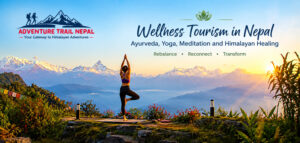
Nepal has long attracted spiritual seekers from around the world. The country’s peaceful monasteries, sacred temples, and Himalayan surroundings create the perfect setting for meditation, yoga, and personal reflection. Visitors can participate in meditation retreats, monastery stays, Buddhist teachings, temple visits, pilgrimage tours, Ayurveda treatments, and holistic wellness programs that promote both physical and mental well-being.
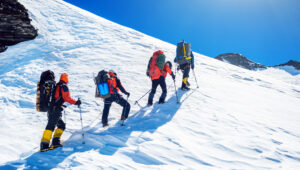
Trekking in Nepal is not only about spectacular mountain scenery but also about discovering the unique cultures of the Himalayan communities. Trekkers can experience Sherpa traditions in the Everest region, Gurung culture in Annapurna, Tamang heritage in Langtang, and Tibetan Buddhist customs in remote mountain villages. Along the trails, visitors encounter ancient monasteries, traditional stone houses, colorful festivals, and warm local hospitality, making every trekking adventure a rich cultural experience as well as a scenic journey.
The ideal seasons are:
Spring (March–May)
Autumn (August–November)
Winter (December, January and February) is also suitable for cultural tours in Kathmandu, Pokhara, Lumbini, and Chitwan.
To make the most of your cultural experience:
A cultural tour allows you to connect with the country’s history, spirituality, architecture, and people beyond the famous mountain landscapes. From exploring ancient royal cities and UNESCO World Heritage Sites to joining local festivals and enjoying traditional village hospitality, every experience reveals a different side of Nepal.
Whether you are a first-time visitor or returning to discover more, Nepal’s rich cultural diversity ensures that each journey is meaningful and memorable.
Final Thoughts
Nepal offers one of Asia’s richest combinations of culture, heritage, and spirituality. Its ancient cities, sacred temples, living traditions, welcoming communities, and vibrant festivals create experiences that remain with travelers long after they return home.
If you want to discover the authentic heart of Nepal, exploring its cultural and heritage treasures should be an essential part of your itinerary. Beyond the Himalayas, you’ll find timeless stories, remarkable architecture, and warm hospitality that make Nepal one of the world’s most rewarding cultural destinations.
Visiting Kathmandu Durbar Square, Patan, Bhaktapur, Lumbini, Pashupatinath Temple, Boudhanath Stupa, traditional villages, and participating in local festivals are among the best cultural experiences.
Nepal has 10 UNESCO World Heritage Sites, including seven cultural monuments within the Kathmandu Valley, Lumbini, Chitwan National Park, and Sagarmatha National Park.
Dashain, Tihar, Indra Jatra, Holi, Buddha Jayanti, Gai Jatra, and Losar are among the most popular festivals for visitors.
Yes. Cultural tours are possible throughout the year, though spring and autumn offer the best weather and coincide with many major festivals.
Absolutely. Popular trekking regions such as Everest, Annapurna, Langtang, and Mustang offer excellent opportunities to experience local cultures, monasteries, traditional villages, and mountain communities alongside spectacular landscapes.