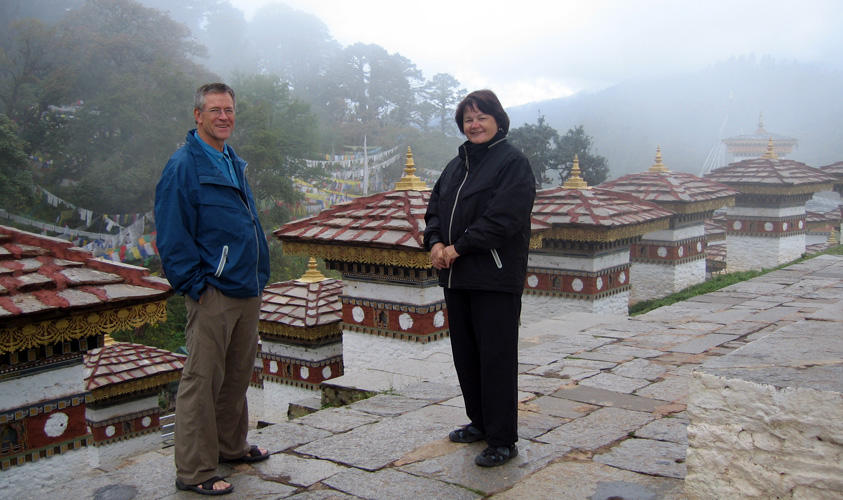
Bhutan is one of the world’s most exclusive adventure destinations, offering untouched Himalayan landscapes, ancient monasteries, pristine forests, glacial lakes, and vibrant Buddhist culture. Unlike many crowded trekking destinations, Bhutan limits tourism to preserve its natural beauty and cultural heritage, making every journey feel authentic and rewarding.
Whether you’re an experienced mountaineer looking for a challenging expedition or a nature lover seeking scenic day hikes, the Best Adventure Trails in Bhutan promise breathtaking mountain views, remote villages, high mountain passes, and unforgettable cultural encounters.
In this comprehensive guide, we’ll introduce Bhutan’s most spectacular trekking routes, difficulty levels, best seasons, and essential travel tips to help you plan your next Himalayan adventure.
Bhutan remains one of the few Himalayan countries where trekking is still largely untouched by mass tourism. The trails pass through protected national parks, alpine meadows, rhododendron forests, and centuries-old monasteries while providing incredible views of peaks such as:
Trekking in Bhutan is much more than hiking—it’s an immersive journey through a nation deeply rooted in Buddhist traditions, environmental conservation, and sustainable tourism.
Duration: 24-30 Days
Difficulty: Extremely Challenging
Maximum Altitude: 5,470 m
The Snowman Trek is widely regarded as one of the most difficult and rewarding treks in the world. Crossing more than eleven high mountain passes above 4,500 meters, this legendary route traverses some of Bhutan’s most remote valleys.
Highlights include:
This trek is recommended only for experienced trekkers with excellent physical fitness.
Duration: 8-12 Days
Difficulty: Moderate to Challenging
The Jomolhari Trek is Bhutan’s most popular trekking route, combining spectacular mountain scenery with rich cultural experiences.
Highlights:
This trek offers one of the best introductions to trekking in Bhutan.
Duration: 5-6 Days
Difficulty: Moderate
Connecting Paro and Thimphu, the Druk Path Trek is perfect for travelers with limited time.
Major attractions include:
This is one of Bhutan’s most accessible and scenic trekking routes.
Duration: 6-7 Days
Difficulty: Moderate
The Dagala Trek is famous for its hundreds of alpine lakes scattered across high mountain plateaus.
Highlights:
Nature photographers particularly love this trail.
Duration: 13-15 Days
Difficulty: Challenging
This trek connects the beautiful village of Laya with the famous Gasa hot springs.
Highlights include:
The trek combines adventure with cultural immersion.
Duration: 3 Days
Difficulty: Easy to Moderate
Ideal for beginners, this short trek offers stunning forests, mountain villages, and traditional Bhutanese culture.
Perfect for:
Duration: 5-6 Days
Difficulty: Easy
Located in central Bhutan, this community-based trek passes through subtropical forests and traditional villages.
Highlights:
A fantastic eco-tourism experience.
Duration: 7-9 Days
Difficulty: Moderate
This eastern Bhutan trail explores the isolated Brokpa communities famous for yak herding traditions.
Expect:
Duration: Half Day
Difficulty: Easy
One of Bhutan’s most scenic short hikes, the Gangtey Nature Trail overlooks the beautiful Phobjikha Valley.
Ideal for:
During winter, visitors may spot endangered Black-necked Cranes.
Duration: 4-6 Hours
Difficulty: Moderate
No visit to Bhutan is complete without hiking to the iconic Tiger’s Nest Monastery (Paro Taktsang).
Perched dramatically on a cliff approximately 900 meters above the Paro Valley, this sacred monastery is Bhutan’s most photographed landmark.
Highlights:
Best Time for Adventure Trails in Bhutan
Spring (March-May)
Spring is one of the best seasons for trekking. Rhododendron forests bloom in vibrant colors, temperatures are pleasant, and mountain views are generally clear.
Ideal for:
Autumn (September-November)
Autumn offers the clearest skies, stable weather, and excellent visibility, making it the peak trekking season.
Perfect for:
Winter (December-February)
Lower-altitude hikes remain enjoyable, while higher routes may receive heavy snowfall.
Recommended:
Monsoon (June-August)
Although rainfall is heavier, eastern Bhutan receives comparatively less precipitation than Nepal. Some trails remain accessible, but trekking conditions can be more challenging due to muddy paths and leeches.
Wildlife Along Bhutan’s Trails
Bhutan is recognized as one of the world’s biodiversity hotspots. While trekking, you may encounter:
Trekking Permits in Bhutan
All international visitors (except citizens of India, Bangladesh, and the Maldives, who follow separate entry procedures) are generally required to book through a licensed Bhutanese tour operator or an international partner working with one. Trekking permits, national park permits, accommodation, guides, and transportation are typically arranged as part of the tour package.
Always check the latest visa, Sustainable Development Fee (SDF), and trekking regulations before planning your trip, as requirements may change.
Essential Packing List
Bring the following essentials for a comfortable and safe trek:
Safety Tips for Trekking in Bhutan
Responsible Adventure Tourism in Bhutan
Bhutan is globally admired for its commitment to sustainable tourism and environmental conservation. Trekkers are encouraged to support local communities by hiring licensed guides, respecting cultural traditions, minimizing waste, and protecting fragile mountain ecosystems. Responsible travel helps preserve Bhutan’s unique natural heritage for future generations.
Which is the most difficult trek in Bhutan?
The Snowman Trek is widely regarded as Bhutan’s most challenging trek and one of the toughest long-distance treks in the world due to its duration, high altitude, and remote terrain.
What is the best beginner trek in Bhutan?
The Druk Path Trek and Bumthang Owl Trek are excellent options for beginners with a reasonable level of fitness.
Do I need a guide for trekking in Bhutan?
Yes. International visitors generally trek as part of organized tours with licensed Bhutanese guides and operators.
What is the best month for trekking in Bhutan?
April, May, October, and November typically offer the best weather, clear mountain views, and ideal trekking conditions.
Can I combine Bhutan trekking with Nepal?
Yes. Many travelers combine Bhutan with Nepal for a broader Himalayan experience, pairing Bhutan’s cultural trekking routes with Nepal’s iconic adventures such as the Everest Base Camp Trek or Annapurna Circuit Trek.
Final Thoughts
The Best Adventure Trails in Bhutan offer a remarkable blend of Himalayan wilderness, spiritual heritage, and authentic cultural experiences. From the legendary Snowman Trek and the scenic Jomolhari Trek to the accessible Druk Path and the iconic hike to Tiger’s Nest Monastery, Bhutan caters to trekkers of all experience levels.
If you’re seeking an unforgettable Himalayan journey beyond the crowded trekking routes, Bhutan delivers pristine landscapes, warm hospitality, and a deep sense of tranquility. With careful planning and responsible travel, your Bhutan trekking adventure will become a truly life-changing experience.