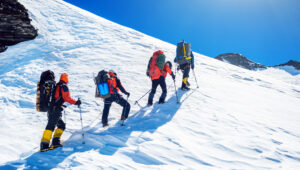
Nepal celebrated International Everest Day on May 29, commemorating the historic first ascent of Mount Everest, the world’s highest peak. The day marks the anniversary of the legendary 1953 expedition when Sir Edmund Hillary of New Zealand and Tenzing Norgay Sherpa of Nepal became the first climbers to reach the 8,848.86-meter summit.
To honor this remarkable achievement, government agencies, tourism entrepreneurs, and mountaineering organizations across Nepal organized a variety of events highlighting the future of mountain tourism, safe mountaineering practices, and the urgent need for environmental conservation.
Mount Everest is far more than a geographical landmark for Nepal. It is a vital pillar of the nation’s economy, a source of international recognition, and a cornerstone of Nepal’s tourism industry. According to the Department of Tourism, the legacy established by Hillary and Norgay has inspired thousands of climbers, with more than 8,000 successful Everest summits recorded to date. As home to eight of the world’s 14 mountains exceeding 8,000 meters, Nepal continues to be the global center of high-altitude mountaineering.
While the nation celebrates Everest Day, stakeholders are increasingly drawing attention to the environmental challenges facing the Himalayas. Climate change has accelerated glacial melting, increased the risk of glacial lake outburst floods (GLOFs), and created new challenges for mountain communities and climbers alike.
“Special priority must be given to mountain conservation,” representatives from various mountaineering associations stated. “Protecting this fragile ecosystem is not only an environmental responsibility but also essential for the future of mountain tourism and the safety of those who venture into the high Himalayas.”
In a statement issued on the occasion, the Nepal Mountaineering Association emphasized that sustainable tourism depends on collective action. The association called for stronger efforts to maintain mountain cleanliness, implement safer climbing protocols, and support local communities whose livelihoods are closely connected to the health of Nepal’s mountain regions.
As Nepal continues to benefit from the foreign exchange earnings and employment opportunities generated by trekking and mountaineering tourism, Everest Day serves as an important reminder of the mountain’s enduring significance. By balancing tourism development with environmental stewardship, Nepal aims to ensure that the “Roof of the World” remains a symbol of human achievement, adventure, and natural beauty for generations to come.