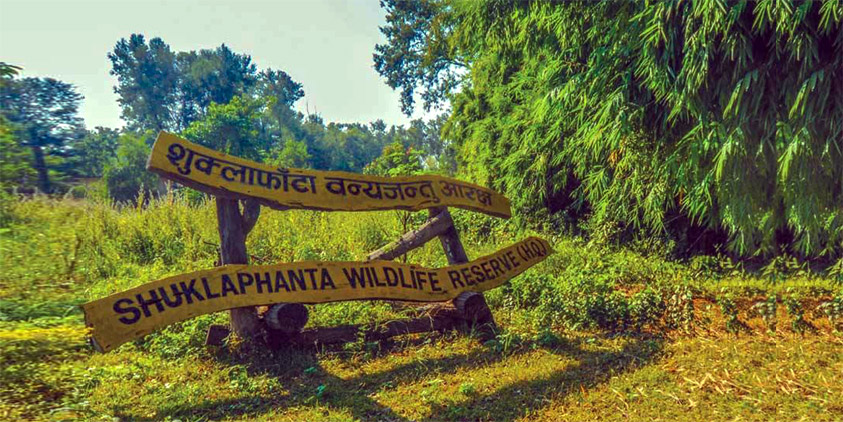
A total of 2,634 tourists visited Shuklaphanta National Park during the first six months of the current fiscal year, according to the park office. Among them, 1,629 were men and 1,005 were women.
Out of the total visitors, 2,278 were domestic tourists, reflecting the growing popularity of the park among Nepali travelers. In addition, 244 tourists from SAARC countries (195 men and 49 women) and 112 international tourists from other countries (63 men and 49 women) explored the park, said Information Officer Purushottam Wagle.
Monthly Visitor Trends
The highest number of visitors was recorded in Chaitra (March 15 – April 13), with 621 tourists. Visitor numbers in other months include:
Revenue Collection
During this period, the park generated NPR 1,467,486 in revenue from entry fees.
Rising Tourism Appeal
Known for its rich biodiversity, peaceful environment, and rare wildlife, Shuklaphanta National Park is becoming an increasingly popular destination. Although international arrivals declined after the COVID-19 pandemic, the number of foreign visitors has been steadily rising in recent years.
“This park, which features the largest grassland in Nepal, is home to leopards, deer, and many rare species, along with diverse plant life. Both domestic and international tourists visit for wildlife observation, research, and nature experiences,” said Wagle.
Visitor Statistics Over the Years
About the Park
Spread across 305 square kilometres, Shuklaphanta National Park is especially famous for its population of one horned rhinoceroses and over 2,323 swamp deer, making it one of Nepal’s most important wildlife conservation areas.