Annapurna
10 Days
Easy
2-30 Persons
330m.
Around the year
Trekking / Hiking
Hotel & Tea House
Breakfast, Lunch & Dinner
Private Vehicle
Kathmandu
Kathmandu
The Annapurna Community Trek is a culturally immersive and community driven trekking experience that offers an authentic glimpse into rural life in the remote Himalayan foothills. Unlike busier commercial trekking routes, this journey takes you through peaceful Magar and Gurung villages, terraced farmlands, rhododendron forests, and pristine wilderness where tourism has minimal footprint.
One of the major highlights is reaching Mohare Hill (3,300 m) a panoramic viewpoint known for spectacular sunrise views over Dhaulagiri, Annapurna, Machhapuchhre (Fishtail), Nilgiri, and countless Himalayan peaks. What makes Annapurna Community trek truly unique is the warm hospitality of the local communities, where guests are welcomed as extended family members rather than tourists.
By choosing this Annapurna Community trek, you directly contribute to local empowerment, conservation initiatives, education programs, and community welfare creating a powerful and positive impact on the region.
Environmental Impact
Cultural Impact
Social Impact
Upon arrival at Kathmandu airport, our team will greet you with a placard and assist with your transfer to your hotel.
Overnight: 3-star hotel in Kathmandu
After breakfast, we drive or fly to Pokhara, Nepal’s adventure capital. Check into your hotel and enjoy the tranquil atmosphere of Phewa Lake, vibrant cafés, and stunning mountain views.
Overnight: Hotel in Pokhara
A scenic 3-hour drive via Beni brings you to Galeshwar, the starting point of your trek. The trail climbs through forests, stone paths, and orange groves leading to Bas Kharka. Visit the local school or health post depending on time and season.
Overnight: Community Lodge
A gentle uphill walk takes you to Dandakateri for lunch, then continue toward Nangi village—famous for handmade paper production. Explore local workshops and enjoy beautiful mountain scenery.
Overnight: Community Lodge
Hike through dense rhododendron and oak forests to reach Mohare Hill, one of the best viewpoints in the Annapurna region. Enjoy magnificent views of Machhapuchhre, Annapurna, and Dhaulagiri.
Overnight: Community Lodge on Mohare Hill
Wake up to a mesmerizing sunrise over the Himalayan range. Descend through rhododendron forests rich in flora and fauna, including Nepal’s national flower.
Overnight: Teahouse in Sikha
Walk through terraced fields and traditional villages until you reach the warm and welcoming Narchyang Community Homestay. After lunch, enjoy a scenic hike to the nearby waterfall.
Overnight: Homestay
Enjoy a village walk and breakfast with your host family before driving back to Pokhara along the Kali Gandaki River. Free evening to relax or explore.
Overnight: Hotel in Pokhara
Drive or fly back to Kathmandu. Enjoy free time for last-minute shopping, cafés, or sightseeing.
Overnight: Hotel in Kathmandu
We’ll transfer you to the airport for your flight home—with unforgettable memories of Nepal’s mountains, culture, and people.
Interested in this trip? Start planning your adventure today!
To help you prepare for your Annapurna Community Trek, we have provided the following essential information covering transportation, accommodation, meals, fitness, safety, packing, and responsible travel. Please read these guidelines carefully before your journey.
Means of Transportation
Transportation during the trip may include tourist buses, private vehicles, and walking, depending on the itinerary and road conditions. Unless otherwise stated in the itinerary, the cost of the required transportation is included in your package.
Travel Insurance
Comprehensive travel insurance is mandatory for all travelers visiting Nepal.
Before traveling, please make sure your insurance policy covers trekking activities, medical treatment, emergency evacuation, trip cancellation, and loss or theft of personal belongings, as applicable to your trip.
Please carry a copy of your insurance policy and emergency contact details with you. Nepalese insurance companies generally cannot provide travel insurance to foreign nationals after their arrival in Nepal, so you should arrange appropriate coverage in your home country before departure.
Solo Travelers
Solo travelers are welcome to join the Annapurna Community Trek.
A single traveler may be required to pay the applicable single-traveler or single-supplement cost. Accommodation is generally arranged on a twin-sharing basis, and solo travelers may share a room with another traveler of the same gender where applicable.
If you prefer a private room, a single room can be arranged upon request at an additional cost, subject to availability.
Meals and Accommodation
During the trekking portion of the journey, breakfast, lunch, and dinner are included.
In Kathmandu and Pokhara, breakfast is included, while lunch and dinner are generally at your own expense unless specifically mentioned in the itinerary.
During the trek, local teahouses and lodges generally offer a variety of meals, including:
A welcome dinner and farewell dinner are also provided in Kathmandu.
Accommodation
In Kathmandu, you will stay at a quality standard hotel on a twin-sharing basis.
During the trek, accommodation is provided in comfortable but simple mountain lodges and teahouses. Facilities become more basic as you travel into rural areas. In some teahouses, bathrooms and toilets are shared.
Single rooms may be available upon request at an additional cost and are subject to availability.
Health and Fitness
The Annapurna Community Trek is considered a moderate-level trek, and previous trekking experience is not essential. However, you should be in reasonably good physical condition and mentally prepared for several hours of walking each day.
The trail includes uphill and downhill sections, stone steps, ridges, forests, villages, and uneven mountain terrain. We recommend preparing several weeks before departure by:
If you have any pre-existing medical condition, please inform us before the trek so that we can make appropriate preparations.
First Aid and Altitude Sickness
Although the Annapurna Community Trek may not reach extremely high elevations compared with some other Himalayan treks, altitude-related problems can still occur.
Acute Mountain Sickness (AMS) can affect travelers regardless of their previous trekking experience. Walking at a comfortable pace, staying properly hydrated, taking adequate rest, and following your guide’s advice are important precautions.
Adventure Trail Nepal recommends carrying a personal first-aid and medical kit containing any regular medications and basic supplies you may need.
If you experience symptoms such as severe headache, dizziness, unusual fatigue, nausea, difficulty breathing, or worsening symptoms, inform your guide immediately. Do not ignore symptoms or continue ascending without professional advice.
Your Guide and Porter
Your guide plays an important role in making your trek safe, enjoyable, and comfortable. Our trekking guides are trained, experienced, licensed, and familiar with the local trails, culture, weather, and mountain environment.
They are responsible for guiding the group, managing the daily trekking schedule, assisting with local arrangements, monitoring the group’s well-being, and responding appropriately to unexpected situations.
Porters are an essential part of trekking in Nepal. Adventure Trail Nepal is committed to treating our porters fairly and responsibly. Our porters are properly equipped and insured according to company policy and are paid fairly for their work.
For the safety and well-being of our porters, a maximum of 25 kg is carried by one porter.
Best Time to Travel
The best seasons for the Annapurna Community Trek are generally:
Spring – March to May
Spring offers pleasant temperatures, good visibility, and beautiful blooming flowers, particularly rhododendrons.
Autumn – September to November
Autumn is widely considered one of the best trekking seasons in Nepal, with generally stable weather, clear mountain views, and comfortable temperatures.
Winter – December to February
Winter trekking can also be enjoyable, although mornings and evenings can be cold. Higher sections may experience snowfall depending on weather conditions.
Monsoon – June to August
The monsoon brings frequent rainfall, cloudy conditions, slippery trails, and occasional road disruptions. While trekking is still possible, this is generally the least favorable season for the Annapurna Community Trek.
Equipment and Packing List
Please prepare the following essential items for your trek:
Packing Tip: Avoid bringing unnecessary items. Pack light and carry only what you genuinely need for the trek.
Precautionary Note
Trekking in Nepal should be enjoyed at a comfortable pace. Do not rush. Enjoy the journey.
Our itineraries are designed to allow sufficient time for walking, resting, enjoying the scenery, and experiencing local communities. Your guide will monitor the group and adjust the pace when necessary.
Mountain weather and trail conditions can change quickly, so please remain flexible and follow the instructions of your guide throughout the trek.
Additional Money
Your personal expenses will vary depending on your spending habits. We recommend carrying some additional money for:
As a general precaution, we recommend having access to an emergency fund of around USD 200, in addition to your normal spending money.
Personal Safety and Valuables
Your guide will assist you with safety concerns throughout the trek, but every traveler is responsible for taking reasonable care of their personal belongings.
We recommend:
Please inform your guide immediately if you lose any important document or personal belongings.
Important Rules
To protect the safety of our guests and respect Nepalese law and local communities, the possession, use, or trafficking of illegal drugs is strictly prohibited.
Any traveler found violating applicable laws or seriously endangering other members of the group may be removed from the trip and reported to the appropriate authorities.
Please also respect local customs, traditions, religious practices, and community rules throughout the journey.
Responsible Tourism
Adventure Trail Nepal believes that responsible tourism is a shared responsibility between travelers, local communities, guides, porters, and tourism operators.
We encourage every traveler to:
By traveling responsibly, you help protect the natural environment, support local communities, and ensure that future generations can continue to enjoy the Annapurna region.
Travel Responsibly, Trek Respectfully
The Annapurna Community Trek is more than a walk through the mountains. It is an opportunity to experience local communities, culture, landscapes, and Himalayan hospitality. Travel slowly, respect the people and environment around you, and enjoy every step of the journey.

This trek is categorized as moderate. Daily walking ranges from 4–6 hours, with some uphill sections. It is suitable for anyone with average fitness.
The ideal seasons are:
No prior experience is required. First-time trekkers often choose this route due to its comfortable pace and authentic village experience.
Yes, absolutely. With a licensed guide and community support, this trek is very safe for solo travelers, including women.
Homestays and community lodges offer clean rooms, home-cooked meals, and warm hospitality—providing a genuine cultural experience.
Your stay contributes directly to:
Basic charging is available in most lodges. Hot showers may be available at some places but can be limited at higher altitudes.
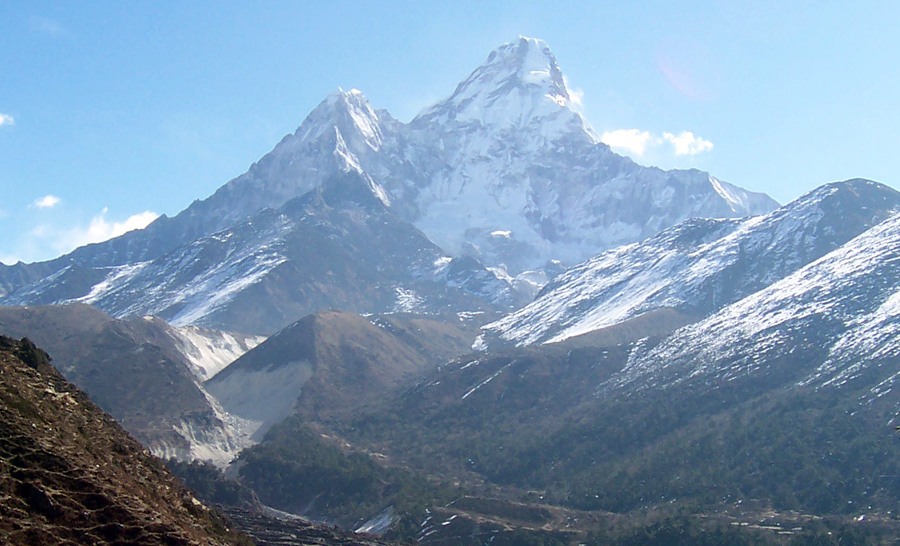 Best Seller
The Everest Panorama Trek is the perfect short Himalayan adventure, ideal for those seeking incredible...
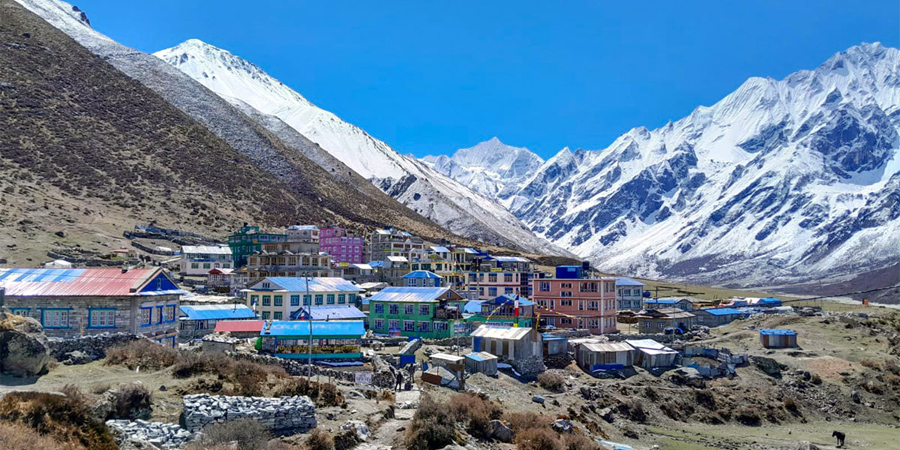 Best Seller
Nestled to the north of Kathmandu and just south of the Tibetan border, Langtang Valley,...
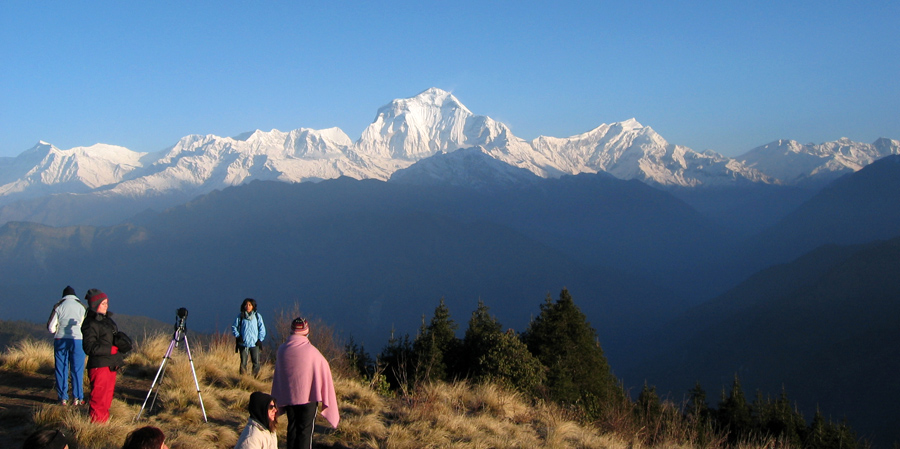 Best Seller
The Ghorepani Poon Hill Trek is one of the most popular and scenic short treks...
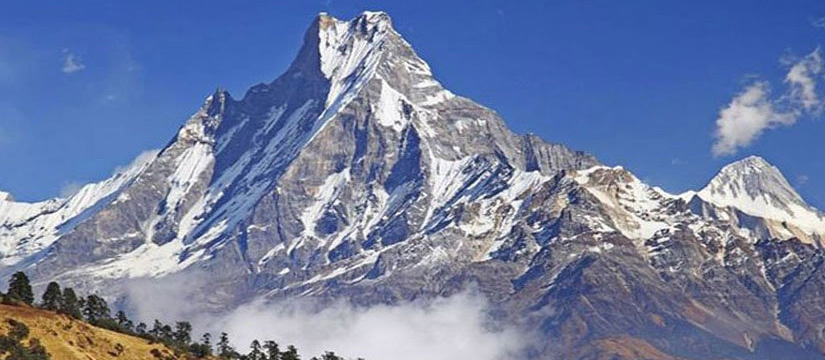 Best Seller
The Mardi Himal Trek is a hidden gem nestled in the heart of Nepal’s Annapurna...